Sagging Service Line in Ourimbah
If the overhead service line to your Ourimbah property is sagging, low, or frayed, this is Level 2 work, and a live low line is genuinely dangerous. Electrician Ourimbah responds same-day, backed by 300+ five-star reviews.
- Same-Day & Emergency, a sagging line gets a fast response, 24/7 for genuine emergencies.
- Level 2 ASP Accredited, licensed to repair the service mains on the Ausgrid network.
- 300+ Five-Star Reviews, a trusted local track record across the Central Coast.
- $0 Call-Out & Free Quotes, fixed upfront pricing before any work begins.
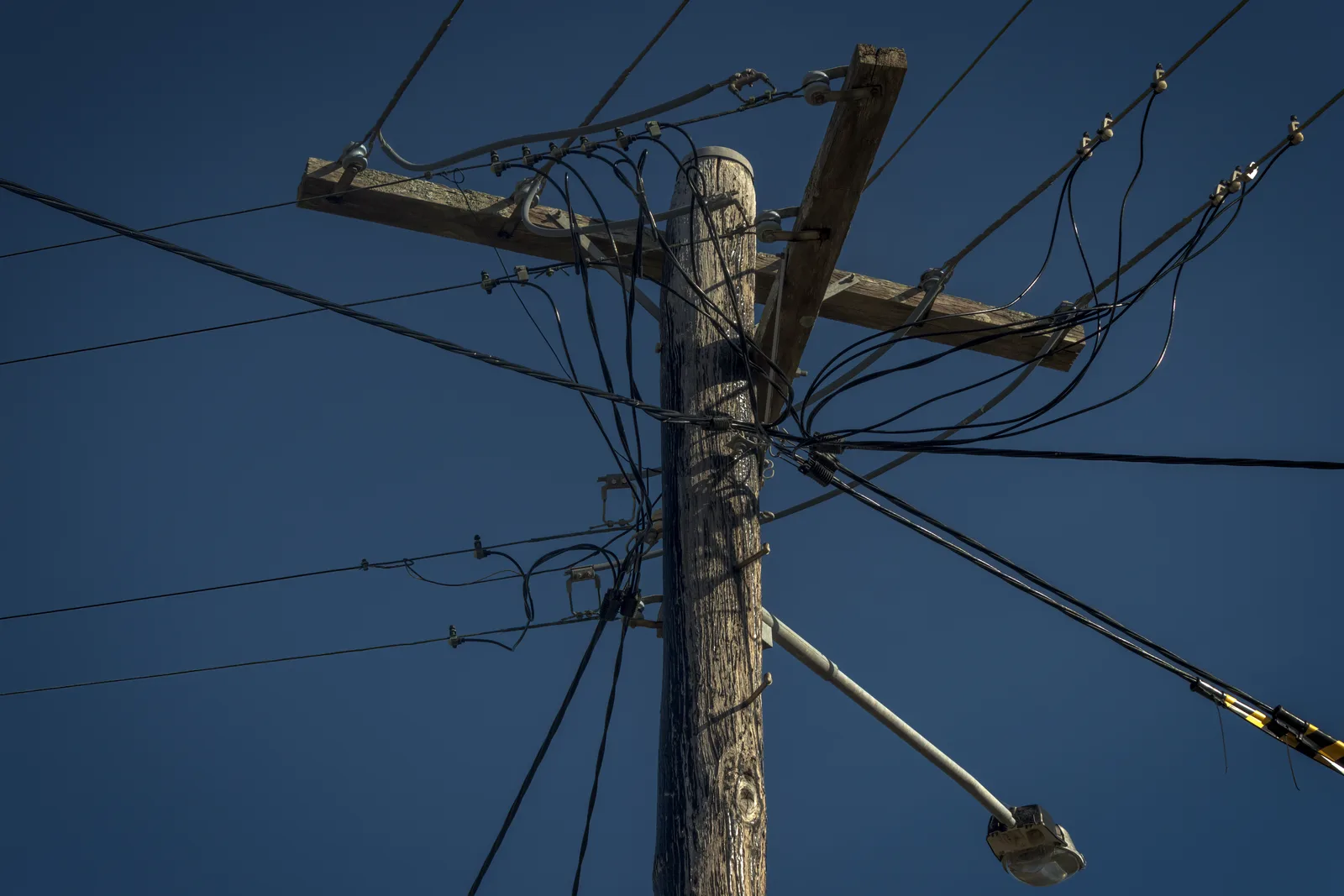
What a Sagging Service Line Actually Means
The service line is the overhead cable carrying power from the street or pole to your meter, the wiring only a licensed Level 2 ASP can touch under AS/NZS 3000. A sagging, low, or frayed line is a live-hazard sign, not a minor cosmetic issue, and it needs prompt professional attention.
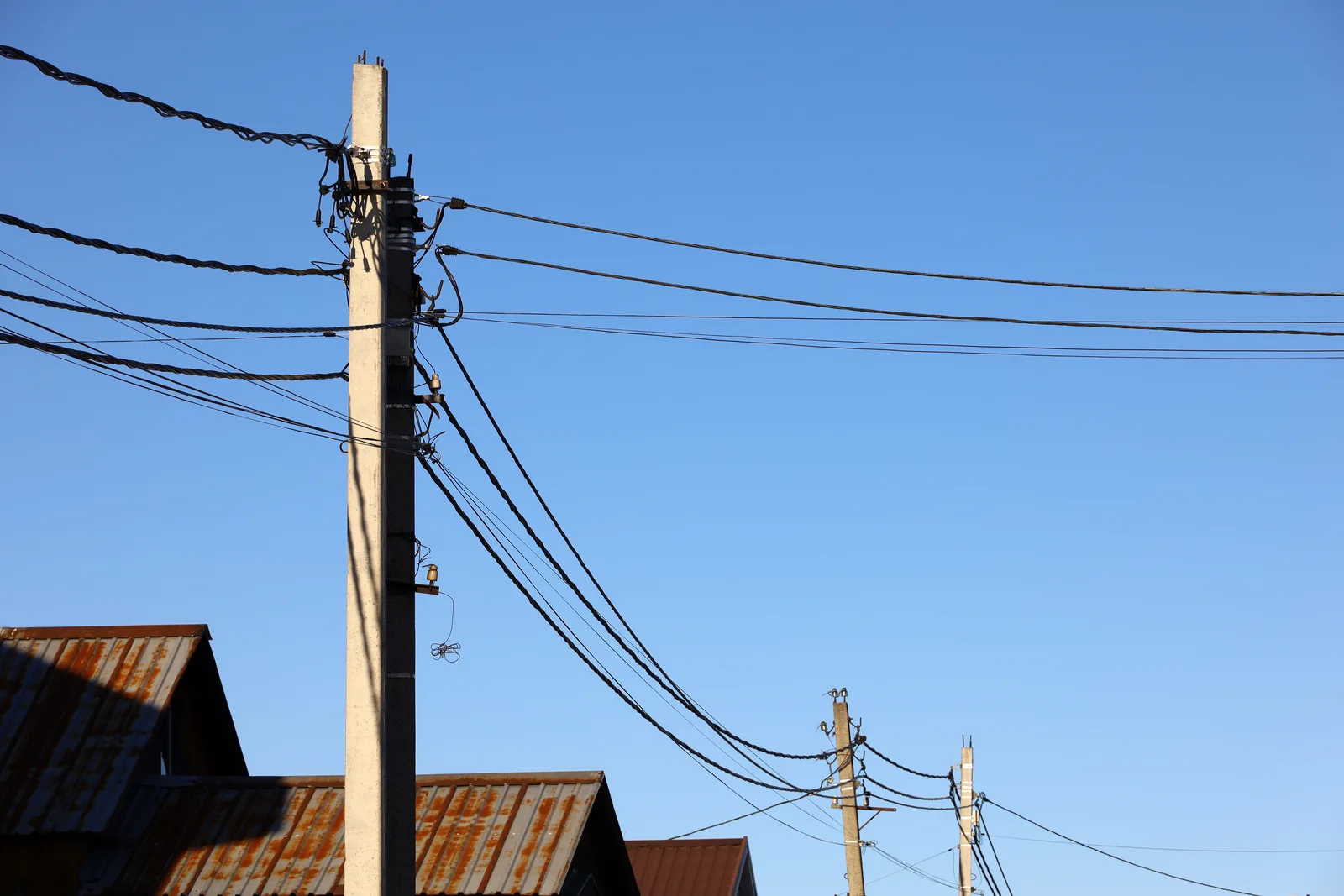
Common Causes of a Sagging Service Line in Ourimbah
Storm wind and fallen branches
Ourimbah's bushland acreage blocks sit under heavy tree cover, and wind or falling limbs during storm season regularly stretch or pull overhead service mains loose.
An ageing, stretched cable
Older service lines lose tension over decades, especially on original village properties near the station, gradually sagging lower than when first installed.
A vehicle or equipment strike
A truck, trailer, or machinery contacting a low line, common on wider rural-residential driveways and acreage access tracks, can stretch or damage it instantly.
A failed point of attachment
The bracket fixing the line to the house can corrode or work loose over time, letting the whole service line drop even without direct damage.
Original installation height
Some older connections on Ourimbah's larger blocks were installed with less clearance than current standards require, so they appear to sag more as poles and trees settle.
Is a Sagging Service Line Dangerous?
Yes, treat it as a genuine hazard. A low or damaged overhead line can still be carrying full voltage, and contact with it, a vehicle, or nearby structures is a serious risk that should never be ignored.
- Never touch or attempt to move a sagging or fallen line yourself
- Keep children, pets, and vehicles well clear of the affected area
- Treat any low line as live until a Level 2 ASP confirms otherwise
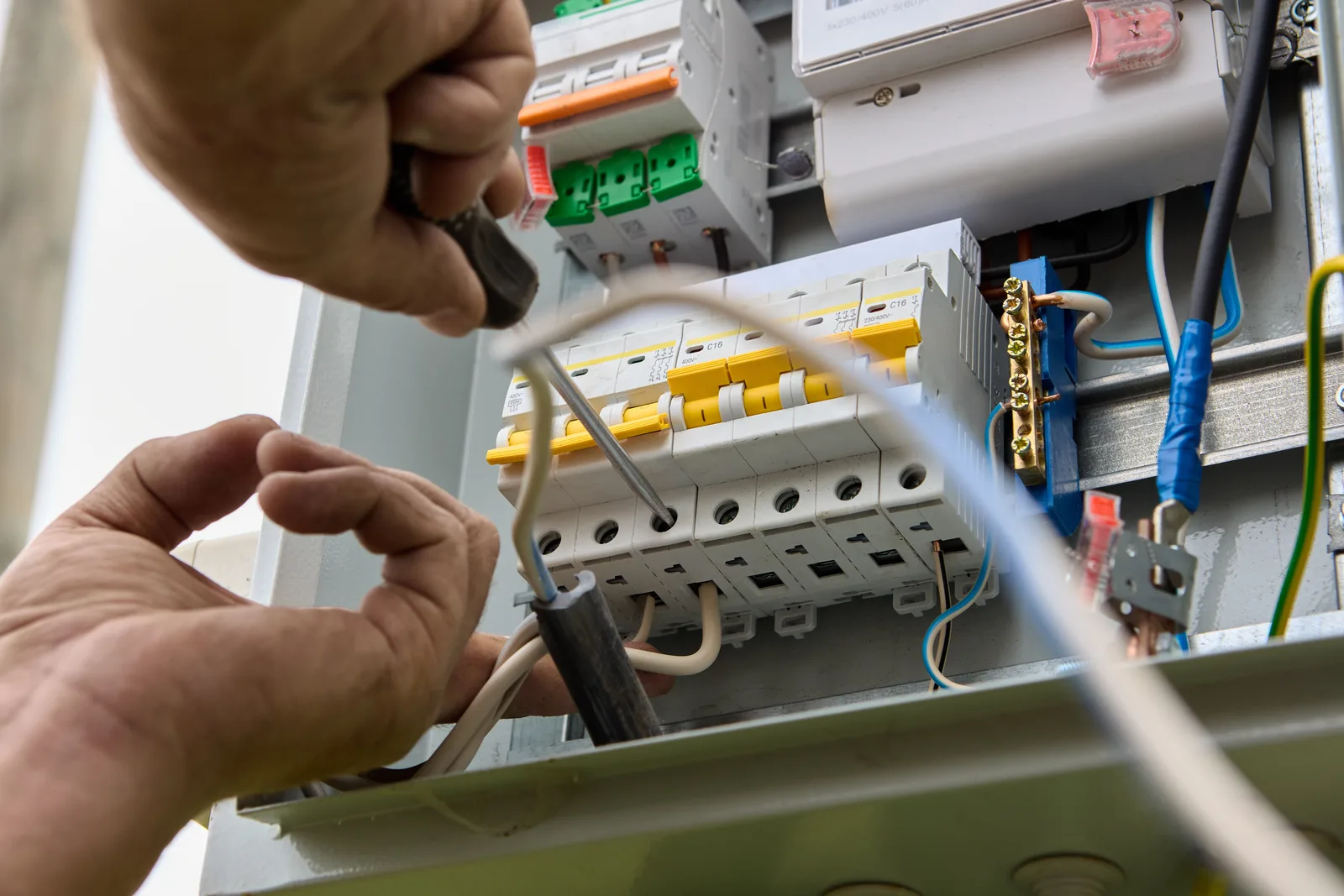
What To Do Right Now
Once you notice a sagging or low line, keep the area clear and leave the inspection and repair to a licensed Level 2 ASP:
- Keep well back from the line, at least several metres, and warn others in the household.
- Do not drive, park, or store equipment underneath a sagging or low line.
- Do not attempt to lift, tie back, or move the line yourself under any circumstances.
- Keep children and pets away from the affected part of the property.
- Call a licensed Level 2 ASP (Lic #451348C) straight away.
When To Call a Level 2 Electrician for a Sagging Line in Ourimbah
- The line is visibly lower than normal or touching a structure
- The line looks frayed, stretched, or damaged after a storm
- A branch, tree, or vehicle has made contact with the line
- The bracket at the house looks loose or has pulled away
- You are unsure whether the line is still live
- The sag has become noticeably worse over recent weeks
Any of these at your Ourimbah property needs a Level 2 ASP, not a general electrician. We respond same-day and 24/7 for emergencies, with $0 call-out and free quotes and fixed upfront pricing. See our service mains repairs.
How it works
How We Fix a Sagging Service Line in Ourimbah
Site Assessment
We assess the line, the point of attachment, and the pole connection carefully to confirm exactly what has failed before any repair begins.
Upfront Quote
You get a clear, fixed price for the repair or replacement before we start, with no surprises once the job is underway.
The Repair
As Level 2 ASPs we repair, re-tension, or replace the service mains and point of attachment to bring the connection back to standard.
Testing & Safety Check
Every repair is tested against AS/NZS 3000 and coordinated with Ausgrid where needed to confirm the line is safe and properly restored.
Why This Is Common in Ourimbah Homes
Ourimbah's semi-rural acreage and heavy tree canopy mean overhead service lines run through more exposed terrain than in denser suburbs, making storm and branch damage a recurring local risk year after year.
Sagging Lines and Related Electrical Faults Across Ourimbah
A sagging service line is often linked to storm-damaged mains, no power to the whole property, and a failing private pole. We fix all three across Ourimbah, Narara, and Lisarow.
Sagging Service Line at Your Ourimbah Property? Call Now
Call (02) 4063 3477 for a same-day, 24/7 emergency Level 2 response with $0 call-out and free quotes, backed by 300+ five-star reviews. If it sparks, shorts, flickers or fails, we can fix it.
Common questions
Sagging Service Line FAQs
Real questions homeowners ask about a low or damaged overhead line, answered plainly before you decide whether to call.
Is a sagging service line dangerous?
Yes. A low or damaged overhead line can still be live, so keep well away and treat it as an electrical hazard until a Level 2 ASP has inspected it.
What causes a service line to sag or come loose?
Age, storm wind, fallen branches, or a truck or vehicle strike can stretch, fray, or pull the overhead service mains loose from the house or pole.
What should I do if my service line is sagging or low?
Stay well clear, keep children and vehicles away, and call a licensed Level 2 ASP straight away rather than attempting to move or inspect it yourself.
Do I need a Level 2 electrician for a sagging service line?
Yes. The service line is the wiring between the street or pole and your meter, which only a licensed Level 2 ASP is permitted to touch or repair.
How much does it cost to fix a sagging service line?
We provide a free quote and fixed upfront pricing once we have assessed the damage, plus $0 call-out fees, so there are no surprises on the invoice.
Are sagging service lines common after storms in Ourimbah?
Yes. Ourimbah's bushland acreage and overhead mains through tree cover make service lines more exposed to storm and branch damage than denser suburbs.